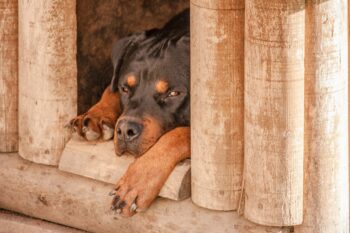
Read on to learn why senior dog adoption is important with Get Your Pet.
The post Why Senior Dog Adoption is Important appeared first on The Trupanion Blog.

from The Trupanion Blog https://ift.tt/2KVtKOn https://ift.tt/eA8V8J
Read on to learn why senior dog adoption is important with Get Your Pet.
The post Why Senior Dog Adoption is Important appeared first on The Trupanion Blog.

One in three dogs will become lost at some point in their lives. The ones lucky enough to reunite with their families often have a good Samaritan to thank. But not everyone knows what to do. Here’s how to recognize when a dog needs your assistance, and how to help them find their way home again.
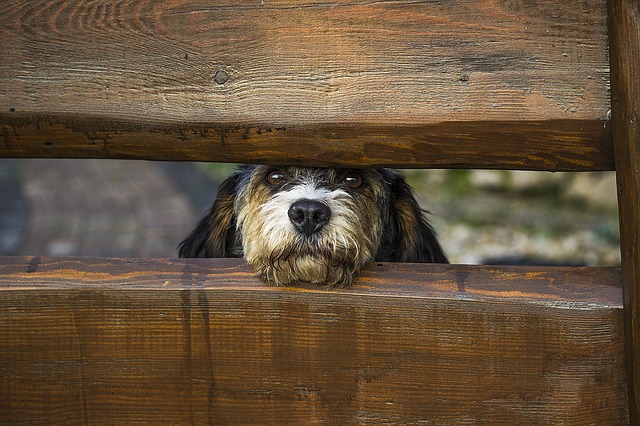
You may be wondering how to tell if a dog is really lost. After all, some people allow their pups to wander, especially in more rural areas. Here are the four types of dog you may encounter:
This dog is either a master escape artist or his owner allows him to roam free. He will appear confident and secure in his surroundings. He may follow the same route each time, stopping to leave his “signature” along the way. While these dogs may still become lost or injured, they tend to be sharper than indoor dogs. They typically know to avoid traffic and head home by dinner time.
These goofy dogs love everyone and may eagerly hop into your car at the first offer of help. While they are easy to catch, they are vulnerable to dog-nappers and well-meaning Samaritans.
This dog is in survival mode. She believes no one can be trusted, and may growl or snap if cornered. It is important to know that this behavior does not necessarily mean she’s been abused. Many dogs revert to a semi-wild state and avoid human contact when lost. This dog may be a long-time stray, a victim of neglect, or a well-loved pet.
The runner is not only the most challenging, he is also at the highest risk of injury. Chances are this dog became lost during a loud thunderstorm or when someone set off fireworks. They take off in a pure panic, running fast and far with no regard for danger. Often times they run so far they are not able to find their way home once the stressful event has passed.
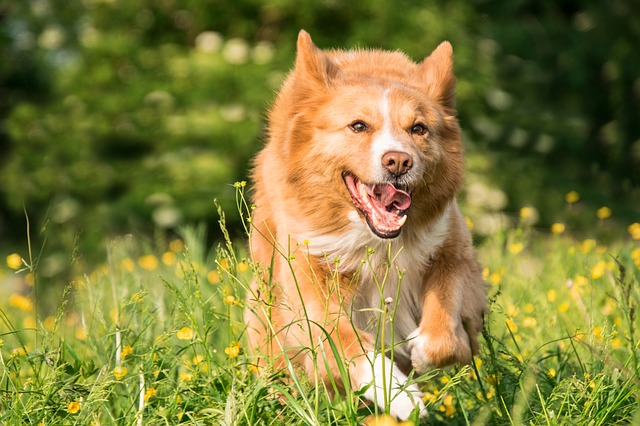
The type of lost dog you are dealing with will determine how difficult it will be to catch. Observe the behavior and body language. Remember, most dogs will not allow you to capture them without a fight.
Here are a few tips for a successful rescue:
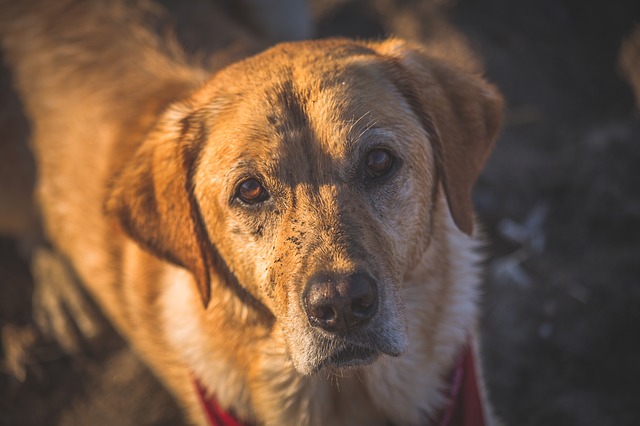
If the dog is injured, behaving aggressively, or you are unable to capture it on your own, call your local animal control department for help. However, if you can avoid this call, it may have a better outcome for the dog.
Animal control officers work for the city or county and the dogs they pick up go to government shelters. Many of these facilities are open-intake or “kill” shelters. They cannot turn animals away, but may have to euthanize otherwise healthy pets due to lack of space.
The holding period for strays varies, but may be as short as 48 hours. If the dog is not claimed during the stray hold period, it may be put up for adoption or put to sleep. Think of what you would want for your pet. What if the owner is in the hospital or out of the country, completely unaware their dog has gone missing?

Should you decide to bring the dog home with you while you search for its owner, be sure to keep it separate from your own pets. This is important because:
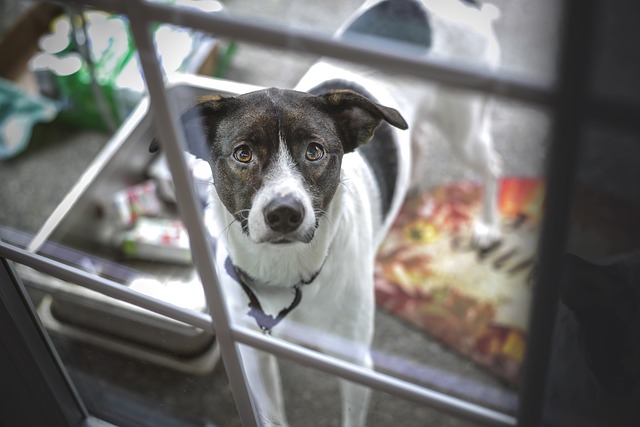
Now that the dog is safely in your care, it is time to begin searching for an owner. This may seem like a daunting task, but it helps to take it one step at a time:
Is the dog wearing a collar? Tags with the owner’s contact information are best, but a Rabies tag or Microchip ID tag can also help you track them down. A Rabies tag should have the phone number of the vet who gave the vaccine as well as a unique number that can be traced. Microchip tags also have the phone number of the manufacturer as well as the ID number of the dog’s chip.
Just because the dog does not have a collar of tags does not mean he or she is not microchipped. Bring the dog to a local shelter or vet’s office and ask them to check with their universal scanner.
Let your local shelters, veterinary hospitals, and animal control know that you have found a lost dog. You may also want to alert your Home Owner’s Association, local groomers, etc.
Say what you want about the internet, but it has worked wonders for lost pets! Not only are there several websites for reuniting dogs and cats with their owners, online advertising sites and social media have proven invaluable.
Not everyone uses the internet or social media. The old-fashioned flier method may just do the trick. Be sure to include photos of the dog as well as where it was found. Hang these around the community and share them with local shelters, vets, and other pet businesses.

If you exhaust all your resources with no luck, it is time to decide what to do next. You may opt to keep the dog, turn it over to a local shelter or rescue group, or attempt to re-home it yourself.
If you decide to keep it, ask yourself if you are willing and able to properly care for another dog. Can you provide enough exercise and enrichment? Will the dog be a financial burden? If you are unsure, it may be best to contact a reputable shelter or rescue and discuss your options.
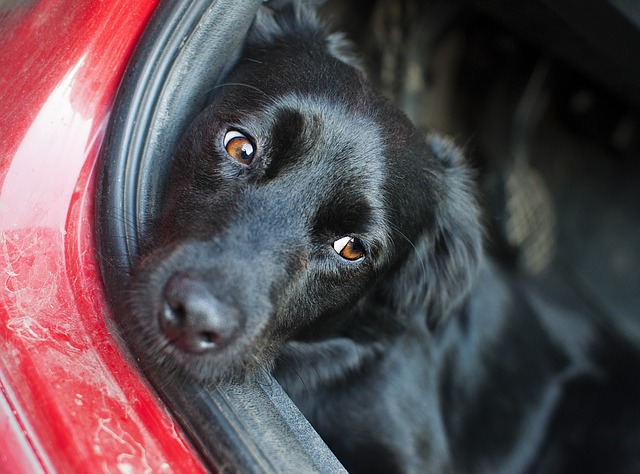
The lost dog you help may be in rough shape. It may be dirty, underweight, sick or injured. It may behave as if it has been abused. However, there is no way to know how long the dog has been out on its own or what it has experienced.
Just because the dog shows signs of neglect, does not mean it does not have a loving owner. Perhaps the dog ran away during a loud thunderstorm or was stolen and then dumped. Give the owner the benefit of the doubt until you have all the facts.
iHeartDogs has shared several stories of lost dogs found hundreds if not thousands of miles from home. Keep this in mind and consider widening your search.
Sadly, some people use lost dog postings to run scams or exploit the animals for breeding or dogfighting. If a person contacts you claiming to own the dog, ask for proof of ownership in the form of photographs of them with their pet, veterinary records, or adoption records. You can also hold back a distinctive trait such as a scar or other identifying mark to ensure the person truly knows the dog.
The post How To Help A Lost Dog Find Its Way Home Again appeared first on iHeartDogs.com.

Having live plants in your home not only adds beauty and a nature to your interior, it can make your home a healthier environment. Plants purify the air inside your house as they take in CO2 and “breathe” out pure oxygen. What many dog moms don’t realize is that many houseplants are toxic to dogs. In an effort to make your home more inviting and healthy, you could be introducing a toxin to your fur baby. We know you don’t want that, so we pulled together a list of very pretty, vibrant houseplants that can give your home a pop of color without any risk to your pupper.
The deep purple flowers and fuzzy dark green leaves of the African Violet contrast beautifully. They are small enough to fit on even the smallest shelf or table, making them a great choice for any space. Best of all? They are completely harmless to dogs and humans. You can feel great about this vivid little houseplant in your home.

These slow growing, low light needing beauties are a great choice for a home with dogs. They are perfectly safe for your pup. On top of that, the leaves of the Prayer Plant are variegated, meaning they have a variety of colors on them. With light and dark greens as well as a bright red hue, these plants bring in a spot of color to any corner.

One of the best things about this group of non-toxic houseplant is that they are super easy to care for. Even a novice or someone without the slightest green thumb can keep these plants alive. Their leaves are so lovely with hints of yellow, cream, red and various green tones. If you have a curious pup who wants to take a munch of these leaves, it will be perfectly safe for her to satisfy that interest.
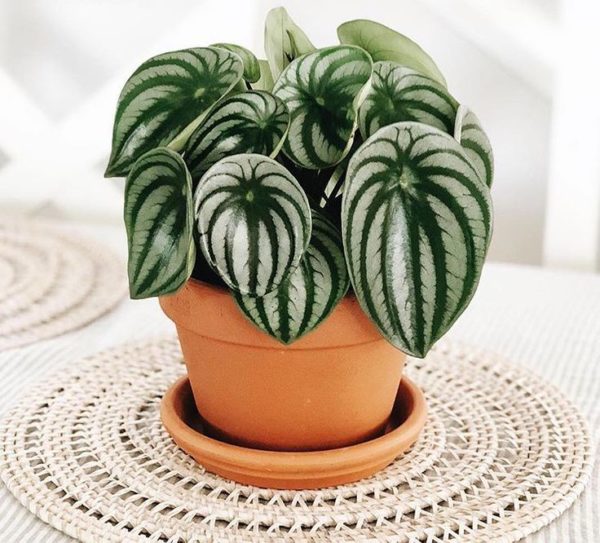
These plants have major impact with their spiky, variegated leaves and dangling mini-plants that resemble spiders. They grow downwards which makes them great on a high shelf or in a hanging basket. They are easy to take care of because they like to completely dry out between waterings. You can feel comfortable with these unique plants in your home. They are completely safe for dogs.

This very unique looking plant is a succulent. Animals tend to avoid eating succulents in general, but if your pup decides to take a taste, this one will prove completely safe. The branches spread out in long, tail-like strands that can create a dramatic effect in your home. Naturally, it is easy to care for. Succulents require very little water. Just put them in a sunny spot and they will thrive.
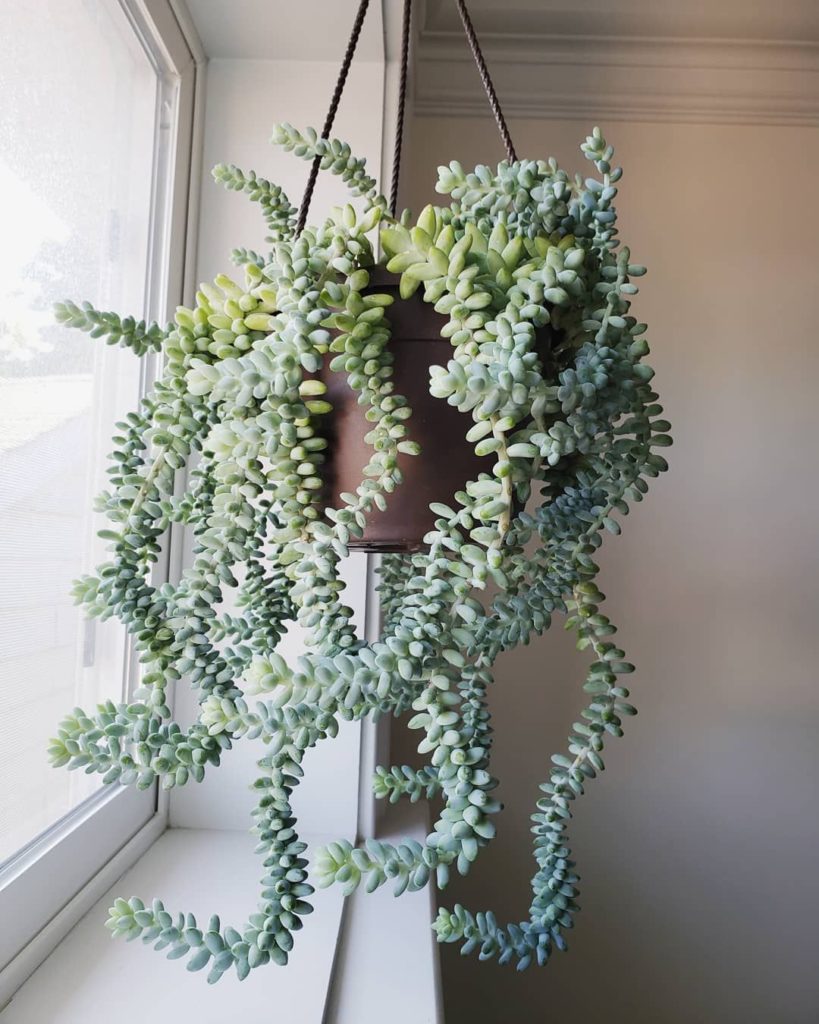
Here are 11 more dog friendly houseplants that will add some color and life to your home:
Enjoy the benefits of cleaner air and a more inviting home by incorporating these houseplants into your decor. They are non-toxic and completely safe for your fur baby, so you can feel confident having them around even the most curious of pups.
The post 16 Dog Friendly Houseplants to Add Color to Your Home This Summer appeared first on iHeartDogs.com.
Learn how this puppy's medical insurance coverage was there right from the start.
The post Unexpected Medical Care for Puppy Mustard appeared first on The Trupanion Blog.

We hear it all the time: “Why won’t my finicky rottweiler eat the expensive food I buy them?!” Dealing with a picky rottweiler can be frust...